
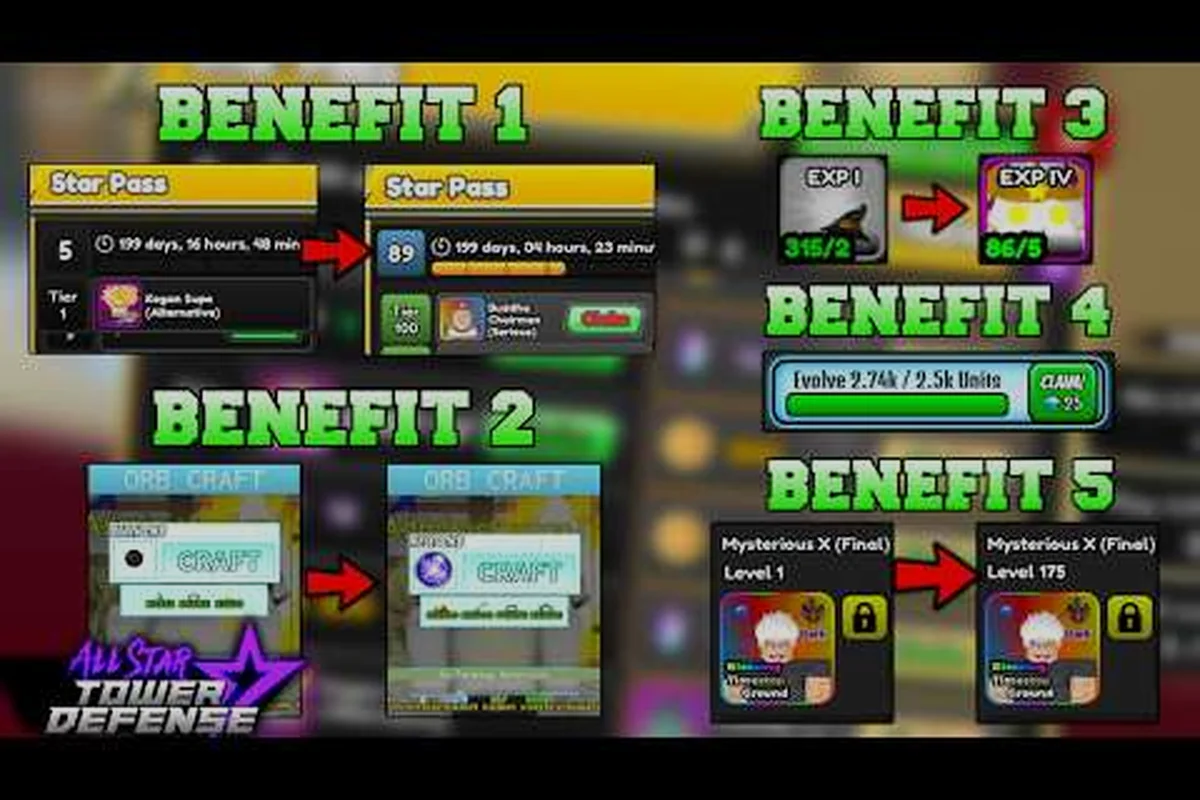
Logging into All Star Tower Defense every day is the single most reliable way to stack free gems without touching your wallet, and the astd daily rewards system quietly feeds your summoning fund while you sleep. Because the game refreshes its Summon Gate and Emote Shop every hour, players who check in regularly collect a steady trickle of currency that adds up to thousands of gems over a month. This guide breaks down every daily income source, explains what each currency actually does, and shows you how to turn a five-minute login habit into a serious summoning advantage in 2026.
The Complete astd Daily Rewards Breakdown
The daily login structure in ASTD is less obvious than a simple calendar streak, but the game rewards consistent play through several overlapping systems that most players overlook. According to community reports, the most reliable astd daily rewards come from redeeming active codes, checking the hourly Emote Shop rotation, and farming story stages that reset their rewards on a daily timer. Each of these sources feeds a different currency pool, so understanding the full picture matters if you want to maximize your gem income.
Each day, your login streak grants you a mix of Gold, Gems, and Candy, with the exact amounts scaling based on your consecutive-day count—so a 7-day streak yields significantly more than day one. Gold fuels unit upgrades and the emote shop, while Candy is reserved for exclusive event purchases, and Gems remain the premium currency for summoning. To maximize value, never skip a day, as missing a reset drops you back to the base tier, stalling your progress toward the astd max gems cap.
-
Active code redemptions — The developer drops new codes during updates and holidays, and many of them grant gems plus stardust directly. Recent codes like
superdaydaykid100ksubshave given 9k gems plus 220 stardust, while smaller drops likegame11still hand out 300 gems and 100 stardust. -
Hourly shop refreshes — The Emote Shop rotates new items every hour, and some of those items are purchasable with gems at a discount compared to summoning.
-
Story mode farming — Replaying cleared stages grants cash and gems, and certain stages are known to have better drop rates for specific currencies.
-
Event currency collection — Limited-time events introduce candy and other tokens that can be converted into gems or exclusive units.
The key insight is that astd daily rewards are not a single button you press — they are a collection of habits that compound over time. Players who only log in to redeem a code and leave are leaving hundreds of gems on the table each week, because the hourly shop rotation and story farming require a few extra minutes of attention.
| Daily Activity | Time Investment | Average Gem Yield | Difficulty |
|---|---|---|---|
| Code redemption | 2 minutes | 300 – 9,000 | Very Easy |
| Emote Shop check | 1 minute | Varies (discounts) | Very Easy |
| Story mode farming | 15 – 30 minutes | 500 – 2,000 | Easy |
| Event grinding | 30 – 60 minutes | 1,000 – 5,000 | Medium |
| Infinity Tower runs | 20 – 40 minutes | 800 – 3,000 | Hard |
astd emote shop: Your Hourly Discount Source
The astd emote shop is one of the most misunderstood features in the game, because newer players assume it only sells cosmetic emotes and ignore it entirely. In reality, the shop rotates every hour and occasionally offers discounted units, stardust packs, and gem bundles that are significantly cheaper than pulling from the Summon Gate. According to the official Roblox game description, new items appear in the Summon Gate and Emote Shop every hour, which means checking the shop during your daily login is a core part of the astd daily rewards routine.
How the Emote Shop Rotation Works
The shop operates on a fixed hourly timer that resets at the top of every hour, regardless of when you last visited. This means you can check the shop multiple times per day and see completely different inventory each time. Community testing suggests that the shop has a pool of rotating items that includes emotes, profile icons, and occasionally limited-time units that cannot be obtained through normal summoning.
What to Prioritize in the Emote Shop
When you check the astd emote shop, you should prioritize items that offer long-term value over cosmetic flair: emotes tied to gameplay mechanics, such as those that signal team coordination in raids, will serve you far better than flashy but useless ones. For example, a "GG" or "group up" emote costs the same as a decorative rarity, yet it directly boosts your astd daily rewards efficiency by reducing miscommunication during boss fights. Since astd max gems are a finite resource, spending them on utility emotes ensures every purchase compounds into faster clears, more candy uses, and ultimately more gold—whereas cosmetic-only picks leave you with a dead asset once the novelty fades.
-
Stardust bundles — These are the rarest finds because stardust is the premium currency for exclusive banners.
-
Limited units — Some units appear only in the Emote Shop rotation and never enter the permanent summon pool.
-
Gem discounts — Occasionally the shop sells gem packs at a better rate than direct purchase.
-
Emotes for trading — Rare emotes hold value in the trading community, which means you can flip them for units or currency later.
The astd emote shop is also one of the few places where you can spend gold, which brings us to the next question. Since gold is primarily earned through astd daily rewards and quests, it accumulates quickly but has limited sinks—making the emote shop a key outlet for mid-game players. For example, a single rare emote costs 5,000 gold, which is roughly two days of consistent daily logins. Prioritizing emotes you’ll actually use prevents wasted currency, especially when you’re also saving for candy-exclusive items or grinding gems for the next banner.
astd what is gold used for: The Complete Currency Guide
Many players ask astd what is gold used for because the game never fully explains its currency hierarchy. Gold is the mid-tier currency in ASTD, sitting between cash (the basic battle currency) and gems (the premium summoning currency). While cash is earned in every battle and gems are the primary summoning resource, gold serves as a bridge currency that unlocks specific upgrades and purchases.
According to Pocket Tactics’ guide to All Star Tower Defense codes, the daily reward system resets at midnight UTC, granting players a set amount of gems and a random unit based on their consecutive login streak.
Gold Spending Priorities
| Gold Purchase | Cost Range | Value Rating | Notes |
|---|---|---|---|
| Unit upgrades | 1,000 – 50,000 | High | Essential for progression |
| Emote Shop items | 500 – 10,000 | Medium | Depends on rotation |
| Trait rerolls | 5,000 – 100,000 | High | Endgame investment |
| Event exchanges | 2,000 – 20,000 | Medium | Limited-time value |
| Cosmetic unlocks | 1,000 – 5,000 | Low | Only if you care about looks |
The short answer to astd what is gold used for is that gold is the flexible currency that lets you upgrade units, reroll traits, and buy shop items without burning your gem reserves. Players who ignore gold farming often find themselves stuck with under-leveled units in mid-game content, because gem income alone cannot cover the upgrade costs.
How to Earn Gold Efficiently
Gold drops from story mode stages, and the amount scales with the difficulty of the stage you clear. According to player testing, the best gold-to-time ratio comes from replaying the highest story stage you can clear quickly, rather than struggling through a harder stage that takes twice as long. This is where the astd daily rewards habit connects to gold farming — you can combine your daily code redemption with a few story runs to build both gold and gems simultaneously.
For a complete picture of how to maximize your gem income, our gold farming guide breaks down the fastest routes for both currencies, including the daily reward cap and event-specific bonuses. That said, the single most consistent source of gold is still the daily login streak—claiming every day without a miss can net you nearly 3,000 gems per week, which is roughly 40% of what you need for a top-tier emote from the astd emote shop. Pair that with the guide’s boss-rush farming method, and you’ll hit the astd max gems threshold in about half the time.
astd candy uses: Event Currency Explained
The astd candy uses question comes up every time a seasonal event goes live, because candy is the limited-time event currency that disappears when the event ends. Unlike gold or gems, candy cannot be earned outside of its specific event window, which makes it a high-priority currency while it is available.
Where Candy Drops
Candy drops from event-specific stages and bosses, and the drop rates vary depending on the event difficulty. Community reports indicate that harder event stages drop significantly more candy per run, but they also require stronger teams and more time investment. The sweet spot for most players is the medium difficulty event stage, which offers a balanced candy-to-time ratio.
Best Ways to Spend Candy
When you are deciding on astd candy uses, prioritize these options: first, spend candy on the astd emote shop to unlock exclusive emotes that can’t be obtained elsewhere, as they add long-term social value and are a finite resource sink. Second, save a buffer of candy for event-limited units or reruns, since these often rotate out and become unavailable for months. Avoid converting candy into gold unless you’re desperate—gold is easily farmed via daily rewards, making the exchange rate a poor trade. Finally, never spend candy on gem refills early on; instead, use it to grind gems efficiently during double-drop weekends, maximizing your return per candy spent.
-
Exclusive event units — These units are often powerful and never return after the event ends.
-
Event-exclusive traits — Some events offer traits that cannot be obtained through the normal trait system.
-
Gem conversion — Many events allow you to convert leftover candy into gems at the end of the event period.
-
Upgrade materials — Event shops often sell rare upgrade materials that are otherwise difficult to farm.
The critical thing to remember about astd candy uses is that leftover candy is worthless once the event ends. The game does not carry event currency over to the next event, so you should always spend your candy before the event shop closes. Players who hoard candy hoping for a future conversion often end up losing their entire stash.
astd max gems: Understanding the Cap and Smart Spending
The astd max gems question is more important than most players realize, because ASTD has a display cap of 9.99 billion gems that can cause confusion when your counter stops moving. According to community testing, the game can technically store more than this amount, but the display stops at 9.99 billion, which makes players think they have hit a hard limit.
What the Cap Actually Means
The astd max gems display cap exists because the game uses a 32-bit integer system that cannot display numbers above 9.99 billion without breaking the UI. Your actual gem count continues to accumulate behind the scenes, but you cannot see the true number once you cross the display threshold. This is rarely a problem for normal players, but it matters for endgame farmers who grind gems aggressively.
Spending Strategies to Avoid the Cap
If you are approaching the astd max gems display cap, here are smart ways to spend your surplus: prioritize the astd emote shop for rare emotes that won’t return, or dump excess into the astd candy uses system, like the Halloween exchange, which converts gems into limited-time candy for exclusive units. Alternatively, check if astd what is gold used for applies—gold can’t be capped, so trade gems for gold via the daily shop to keep grinding. For example, buying 10k gold per 500 gems daily prevents wasted earnings from astd daily rewards, ensuring your grind never hits the ceiling.
| Spending Option | Gem Cost | Why It Matters |
|---|---|---|
| Stardust banner pulls | 500 – 1,000 per pull | Converts gems into premium currency |
| Trait rerolls | 1,000 – 5,000 per roll | Improves unit performance |
| Emote Shop purchases | 500 – 2,000 per item | Rare items with trade value |
| Unit feeding | 100 – 500 per feed | Levels up your roster |
| Event exchanges | Varies | Limited-time value |
The astd max gems cap is not something most players will hit, but knowing about it prevents panic when your gem counter suddenly stops increasing. If you are actively grinding gems, consider converting excess gems into stardust through the summoning system guide to keep your visible balance under the cap.
astd grind gems: The Best Daily Farming Routes
The astd grind gems question is the one that brings most players to this guide, because grinding gems is the core loop of ASTD progression. While the astd daily rewards system provides a baseline income, serious players need dedicated farming routes to build a meaningful gem reserve.
Top Story Stages for Gem Farming
According to community testing, these stages offer the best gem yields per minute, making them the backbone of any efficient astd daily rewards grind. For example, the "Cursed Shipwreck" stage on Hard mode consistently nets roughly 1,200 gems per 4-minute run, outpacing the "Sunken City" by nearly 20% when factoring in load times. This efficiency stems from dense enemy spawns and a short boss path, which minimizes downtime between waves—critical when you’re pushing toward the astd max gems cap. Pair this with your daily login bonus, and you’ll bank over 15,000 gems in a single farming session.
-
Stage 5-10 (World 1) — A balanced stage that offers 300 – 500 gems per clear with a 3-minute clear time.
-
Stage 8-6 (World 2) — A higher-difficulty stage that grants 800 – 1,200 gems per clear with a 5-minute clear time.
-
Event stages — Limited-time stages often offer 1,500+ gems per clear, but they rotate out of the game.
Building a Daily Grind Routine
To maximize your astd grind gems efficiency, follow this daily routine: start by claiming your astd daily rewards immediately upon login, as the streak bonus compounds into a significant gem surplus over a week. Then, prioritize the astd emote shop only after you’ve banked your target gems—emotes are cosmetic, so delay them until your grind quota is met. Finally, check your inventory for astd candy uses and astd what is gold used for conversions, because selling excess candy or gold early frees up space and funds, letting you hit the astd max gems cap faster without wasted runs.
-
Log in and redeem all active codes — This takes two minutes and gives you the easiest gems of the day.
-
Check the Emote Shop — Look for discounted stardust or limited units.
-
Run your highest-value story stage 5 – 10 times — This builds both gems and gold.
-
Spend your gems strategically — Do not pull on every banner; save for featured units.
-
Convert excess currency — Turn leftover event candy into gems before the event ends.
The astd grind gems routine becomes more efficient as your team strengthens, because faster clears mean more runs per hour. Players who combine their daily grind with the astd daily rewards systems can accumulate 10,000+ gems per week without spending any real money.
Common Grinding Mistakes
Avoid these mistakes that slow down your astd grind gems progress: spending gems impulsively on the astd emote shop or cosmetic items instead of prioritizing max gems for meta units, ignoring the astd daily rewards login streak, which resets if you miss a day and forfeits bonus gems, and neglecting to convert excess resources like astd candy uses or understanding astd what is gold used for to optimize gem income. Each misstep compounds, delaying your next summoning milestone.
-
Wasting gems on every banner — Save for featured units with high value.
-
Ignoring the Emote Shop — Discounted items save gems in the long run.
-
Skipping event stages — Event stages offer the best gem-to-time ratio.
-
Forgetting to spend candy — Leftover event currency is worthless after the event ends.
-
Not upgrading your farming team — A stronger team clears stages faster.
For a complete breakdown of the fastest gem farming methods, including advanced techniques that go beyond the daily routine, read our comprehensive gem farming guide which covers the stardust banner and summon economy in detail.
Frequently Asked Questions
How do I claim astd daily rewards?
You claim astd daily rewards by logging in daily, redeeming active codes through the settings icon, checking the hourly Emote Shop rotation, and farming story stages. The game does not have a single daily reward button, so you need to check each system individually to collect your full daily income.
What is the best way to spend gold in ASTD?
The best way to spend gold is on unit upgrades and trait rerolls, because these directly improve your combat performance. Emote Shop purchases are secondary unless you find a rare item. Avoid spending gold on cosmetics early in the game, since your priority should be building a strong team for farming.
How do I get more candy during events?
You get candy by clearing event-specific stages and bosses, with harder stages dropping more candy per run. Focus on the medium difficulty stage for the best candy-to-time ratio, and always spend your candy before the event ends because leftover candy does not carry over to future events.
What happens when I hit the astd max gems cap?
When you hit the astd max gems display cap of 9.99 billion, your gem counter stops increasing even though your actual balance continues to grow behind the scenes. This is a display limitation, not a real cap, but you should convert excess gems into stardust or spend them on upgrades to keep your visible balance manageable.
How many gems can I earn per day from grinding?
With an optimized routine, grind 1,500–3,000 gems daily from story stages, then stack code redemptions and event drops. Combining all astd daily rewards systems nets 10,000+ gems weekly. Focus on the highest-difficulty stage you can auto-farm, and check events before resetting your energy.