
Summoning
How summoning works in All Star Tower Defense — Hero Summon rotations, Special Summons, the 5-star pity and the best banner strategy.
Introduction
Summoning is how you obtain new units in All Star Tower Defense. The Summon Gate in the lobby offers two main systems: the Hero Summon, which refreshes every hour with new featured units, and the Special Summon / Dual Starhunt, which costs stardust and features limited units. Hero Summons cost Gems or Gold, while Special Summons are premium stardust pulls with longer-lasting banners. The 5-star pity system guarantees a legendary result after enough pulls — saving around 3,600 gems gives consistent results. In Special Summons, every three paid 10-summons makes the fourth 10-summon free. Knowing which banner to pull, when to save and how the pity counter works is the difference between a stacked roster and wasted gems. This guide explains the mechanics, the rates and the best summoning strategy for free-to-play and paying players alike.
Summoning Systems Quick Reference
| Banner | Cost | Rotation | Best For |
|---|---|---|---|
| Hero Summon | Gems / Gold | Every hour | Frequent pulls |
| Special Summon | Stardust | Longer events | Limited units |
| Dual Starhunt | Stardust | Event-based | Limited units |
| 5★ Pity | ~3,600 gems | Guarantee | Legendary results |
Banner Deep Dive
Hero Summon
Hourly rotation banner — the core pulling system
Special Summon
Stardust premium banner with free-pull perks
Dual Starhunt
Event-limited stardust banner with featured pairs
5★ Pity
Guaranteed legendary safety net
Core Mechanics
The Summon Gate is the heart of ASTD's unit economy. The Hero Summon costs Gems or Gold and rotates its featured units every hour, giving you frequent chances to pull whatever is currently boosted. Special Summon and Dual Starhunt banners cost Stardust, stay active for longer periods, and feature limited units that are not available through the Hero Summon. The 5-star pity is the key safety net: after a certain number of pulls without a 5-star, the game guarantees one. Players commonly save around 3,600 gems to cross the pity threshold and secure a legendary result. Special Summons add another perk — every three paid 10-summons make the fourth 10-summon free. Banner strategy is about patience: watching the hourly rotation and only spending on banners featuring units you need is far more efficient than pulling every refresh.
Advantages
A generous summoning system keeps the game exciting and gives free-to-play players a real path to a strong roster. The hourly Hero Summon rotation means there is always something new to chase, and the 5-star pity prevents the worst luck from going unrewarded. The free-10-summon perk in Special Summons rewards dedicated saving and makes stardust pulls better value over time. Stardust banners featuring limited units give collectors a defined goal, and the fact that limited units become tradeable after their banner ends adds a market dimension to pulling. For a gacha game, ASTD's pity system is player-friendly and rewards patient resource management.
Challenges
Summoning is a gacha system, so luck plays a huge role and bad streaks can be frustrating. The hourly rotation tempts impulsive pulls, and spending gems on the wrong banner wastes resources that take time to rebuild. Stardust is scarce for free-to-play players, making Special Summons a slow grind unless you earn premium currency from events or codes. The 5-star pity, while generous, still requires roughly 3,600 gems of saving, which takes time to accumulate. Limited units create FOMO — the fear of missing a banner-exclusive unit can push players into spending gems they had planned to save. Discipline and a clear saving plan are essential to getting the most out of the summoning system.
Frequently Asked Questions
How does the 5-star pity work?+
What is the difference between Hero Summon and Special Summon?+
When should I save my gems?+
Is summoning worth it for free-to-play players?+
Quick Tips
Never pull a 10-summon below the pity threshold unless a featured unit you need is live. Every gem spent on a filler banner delays the guaranteed legendary that the pity system promises. Planning your gem budget around the pity threshold and banner rotations is the most reliable way to turn saved resources into a legendary pull.
Track the hourly Hero Summon rotation. The featured unit changes every hour, so checking in at the right time lets you pull a specific meta unit instead of random filler. Planning your gem budget around the pity threshold and banner rotations is the most reliable way to turn saved resources into a legendary pull.
Maximize Special Summon value by planning four 10-summons. The every-three-paid-makes-fourth-free perk means four pulls cost the same as three, so save stardust in bundles of that size. Planning your gem budget around the pity threshold and banner rotations is the most reliable way to turn saved resources into a legendary pull.
Redeem gem codes before big banner events. Stacking code gems with your saved stash is the fastest way to cross the 3,600 gem pity line when a limited banner arrives. Planning your gem budget around the pity threshold and banner rotations is the most reliable way to turn saved resources into a legendary pull.
Featured
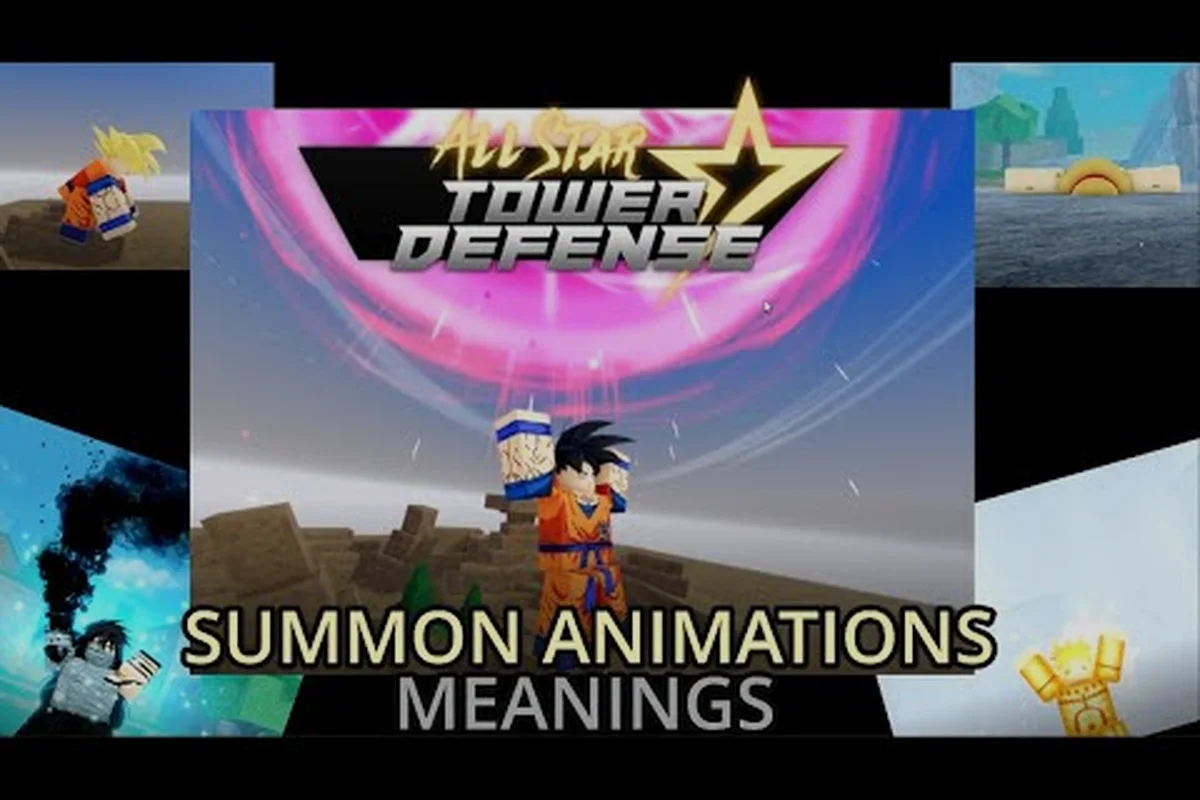
All Star Tower Defense How to Summon: Pity & Banner Strategy
Learn all star tower defense how to summon with exact 5-star pity rates, Hero and Special banner costs, and Dual Starhunt rotation tips for efficient pulls.

All Star Tower Defense Best Banner: Ticket Value Compared
Find the all star tower defense best banner for 2026 with this comparison of stardust and gem costs, legendary odds, and rotation schedules for every event.

All Star Tower Defense ASTD Gacha System: Pity Rates & Odds
Understand the astd gacha system with exact summon rates, the 5-star guarantee, and how pity carries across banners, so you never waste gems.
All Articles

All Star Tower Defense ASTD Stardust Banner: Free Pull Loop
This astd stardust banner guide details the 2026 rotation, free 10-summon loop, and which event units justify your stardust before it expires.

All Star Tower Defense ASTD Summon Guide 2026: Rotation
This astd summon guide 2026 compares every banner rotation, stardust costs, and featured units, so you spend gems on the best pulls all year.

All Star Tower Defense How to Get 6 Star: Save Gems Smartly
Learn all star tower defense how to get 6 star units by saving gems strategically, targeting the right banners, and using codes like tboicats for extra pulls.

All Star Tower Defense Luck: Boost Mystical 7-Star Odds
Boost all star tower defense luck with timing tricks, summoning strategies, and collector tips that raise your chances of pulling Mystical and 7-star units.